
Can You Beat the Casino? Strategies & Truths Revealed

The flashing lights, the clatter of chips, the electric anticipation – a casino holds a certain magic, doesn’t it? We’ve all dreamt of walking in, playing our cards right, and walking out with a small fortune. The thrill of gambling lies in that very possibility. But let’s be honest, the house always has an edge, right? That’s not just a saying; it’s a mathematical reality.
Consider a personal anecdote: a friend once walked into a casino with a carefully planned strategy for roulette, convinced they’d cracked the code. Hours later, slightly deflated and significantly lighter in the wallet, they admitted that even the best-laid plans can fall prey to the relentless mathematics of the casino.
So, can you really beat the casino? This article won’t promise you foolproof winning strategies. What it will do is equip you with the knowledge to understand the house edge, make smarter choices, and ultimately, improve your odds. We will be exploring game selection, strategy implementation, and bankroll management. It will give you a fighting chance at walking away a winner, or at least extending your playing time and maximizing your enjoyment.
Understanding the House Edge: The Cold, Hard Truth
The house edge is the inherent mathematical advantage that casino games have over players. It’s the silent partner in every bet, the reason casinos stay in business. Simply put, it represents the percentage of each bet that the casino expects to keep over the long run. This isn’t some abstract concept; it’s baked into the game’s rules and probabilities. It’s also the reason why, throughout my career, understanding this key metric has been so important for me.
The house edge is calculated by determining the difference between the true odds of winning a bet and the payout odds offered by the casino. For example, in American roulette, the true odds of hitting a single number are 37 to 1 (there are 38 slots: 1-36, 0, and 00). However, the casino typically pays out only 35 to 1 for a winning single-number bet. This difference creates the house edge.
Different casino games have varying house edges. Blackjack can have a house edge of less than 1% if played with perfect strategy, while some slot machines can have a house edge of 10% or higher. European roulette, with a single zero, has a lower house edge (around 2.7%) compared to American roulette (around 5.26%). Understanding this is crucial. Don’t gamble blindly. The Return to Player (RTP) is directly related to the house edge. RTP represents the percentage of wagered money that a game will pay back to players over time. The house edge is simply 100% minus the RTP. With all the time I spent working in different casinos throughout my career, the higher the RTP, the lower the house edge, the better the odds for the player.
How the House Edge Works in Practice
While the house edge is a long-term average, it doesn’t guarantee that you’ll lose every time you play. Short-term variance can cause you to win or lose in any given session. You might get lucky and win big, even against the odds. However, the house edge grinds away at your bankroll over time. Think of it like this: flipping a coin that is slightly weighted to land on tails. In the short run, you might see a string of heads. But, over thousands of flips, tails is statistically more likely to appear.
Trying to beat the house edge is extremely difficult. It requires a deep understanding of the game, disciplined bankroll management, and a healthy dose of luck. While some players may develop strategies that slightly improve their odds in certain games, such as card counting in blackjack, these strategies are often countered by casino rules and surveillance. I have seen a lot of different types of risk-taking people throughout the years. In short, the house always has an advantage and will always come out on top.
The Myths of ‘Beating’ the House
The allure of casinos is undeniable, fueled by the dream of striking it rich and walking away a winner. This dream often leads to the adoption of various strategies and beliefs, many of which are rooted in myth rather than reality. One of the most pervasive is the gambler’s fallacy – the mistaken belief that if something happens more frequently than normal during a given period, it will happen less frequently in the future, and vice versa. I once heard a friend swear that after seeing red come up five times in a row on roulette, black was “due.” Unfortunately for him, and for many others who fall for this fallacy, each spin of the roulette wheel is an independent event, and the odds remain the same regardless of what happened before. Similarly, the idea of ‘hot’ and ‘cold’ streaks in slot machines is a common misconception. People will spend hours observing a machine, convinced that it’s about to pay out because it hasn’t in a while, or conversely, that it’s ‘hot’ and likely to continue paying out. The truth is that slot machines are programmed with random number generators, ensuring that each spin is entirely independent and unpredictable. Relying on observation alone won’t increase your luck; it will only increase the amount of time you spend at the casino.
Debunking Betting Systems
Many gamblers seek a foolproof method to overcome the house edge, often turning to betting systems like the Martingale system. This system proposes doubling your bet after every loss, with the idea that eventually, you’ll win and recoup all your losses plus a small profit. While seemingly logical, the Martingale system, along with other progressive betting strategies, ultimately fails due to table limits and the exponential increase in bet size required after a series of losses. Even a relatively short losing streak can quickly lead to bets that are too large to place or exceed your bankroll. Chasing losses in this way is a recipe for disaster, highlighting the importance of sound risk management and setting clear limits before you even enter the casino. Remember, the house always has an edge, and no betting system can change that fundamental truth.

Games Where You Can Minimize the House Edge
Not all casino games are created equal. Some offer significantly better odds than others, giving you a fighting chance against the house. The key is understanding the house edge – the casino’s statistical advantage on each bet. By focusing on games where skill and strategy can influence the outcome, you can tilt the odds slightly more in your favor. Blackjack, poker, baccarat, and craps are some of the best examples.
Here’s a quick look at the average house edges for different variants of games:
| Game | Variant | Average House Edge |
|---|---|---|
| Blackjack | Single Deck (with optimal strategy) | 0.5% – 1% |
| Poker | Texas Hold’em (vs. other players) | Varies (rake dependent) |
| Baccarat | Banker Bet | 1.06% |
| Craps | Pass Line Bet | 1.41% |
Blackjack: Strategy is King
Blackjack isn’t just about luck; it’s about making smart decisions. By using a basic strategy chart, which outlines the optimal play for every possible hand combination, you can significantly reduce the house edge. These charts are readily available online and provide a roadmap for when to hit, stand, double down, or split. Mastering basic strategy isn’t a guarantee of winning, but it’s an essential tool.
While often glamorized, card counting, which involves tracking the ratio of high to low cards to estimate when the deck is favorable, carries risks. Casinos frown upon it and may ask suspected counters to leave. Furthermore, with continuous shuffling machines becoming increasingly common, the opportunity for effective card counting is diminishing. Focus on mastering basic strategy as a solid foundation instead.
Strategies to Improve Your Odds (Without Cheating!)
The Power of Bankroll Management
Effective bankroll management is the cornerstone of any successful gambling endeavor. It’s about setting a budget, sticking to it, and treating gambling as an expense, not an income source. Think of it as your personal risk management system. It’s easy to get caught up in the thrill, but without a plan, losses can quickly spiral out of control. For instance, there was a time when I was younger, diving headfirst without any budget, and it almost always ended badly. Now I set aside a specific amount I’m comfortable losing before even stepping near a casino or logging in online. It’s not about how much you can win, but how well you can manage what you’re willing to lose.
Understanding the rules and strategy also breeds a certain confidence. When you know all your moves, you minimize mistakes.
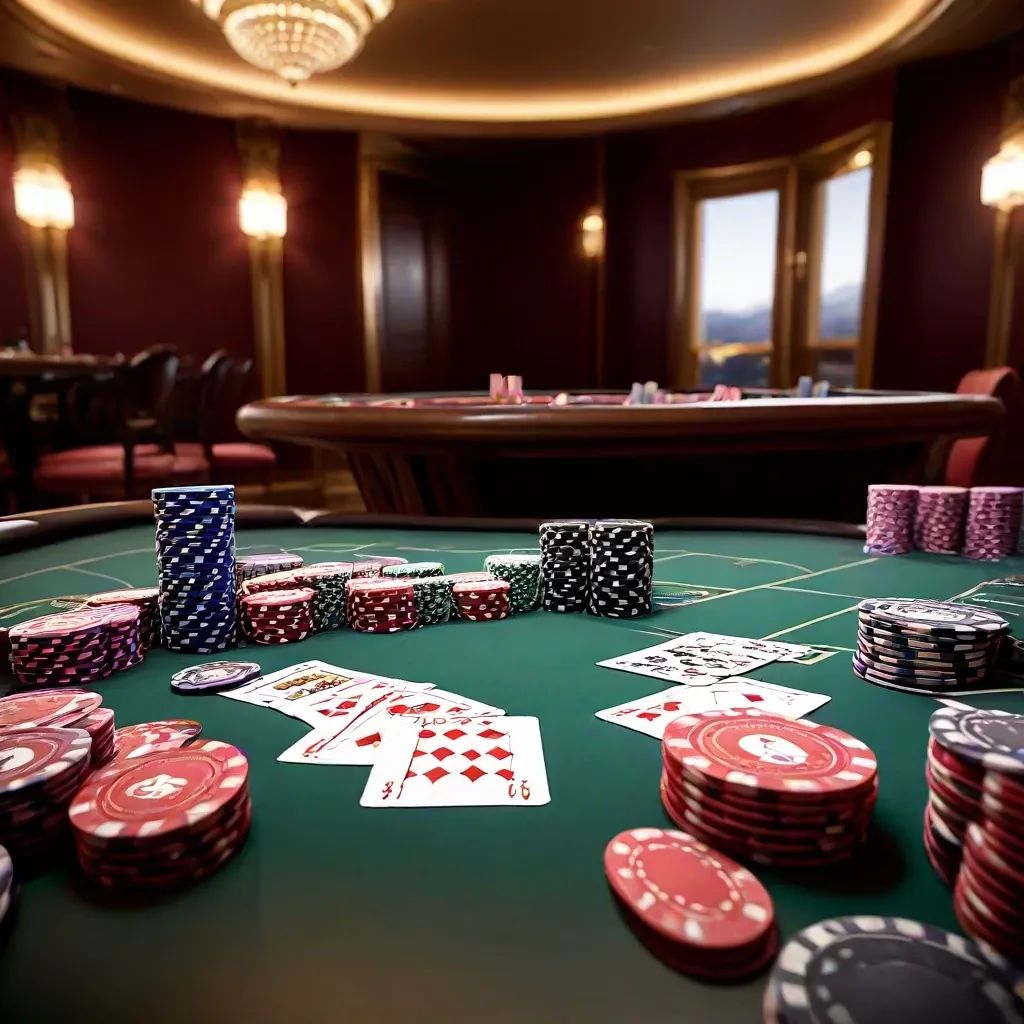
The Psychological Game: How Casinos Keep You Playing
Casinos aren’t just about games; they’re meticulously designed environments playing on human psychology to maximize engagement and, ultimately, profit. Understanding these tactics is the first step in avoiding their influence.
One common strategy is the strategic distribution of complimentary alcoholic beverages. Alcohol impairs judgment, making players more prone to impulsive bets they might otherwise avoid. The casino layout itself is a maze, intentionally disorienting patrons and making it difficult to leave. This encourages continued exploration and, of course, more gambling.
Casinos exploit the “near miss effect.” When a player almost wins, the brain registers it similarly to an actual win, triggering a dopamine release. This illusion of almost winning encourages continued play, chasing that elusive jackpot. Loss aversion is another powerful factor. The fear of losing what has already been invested can drive players to make increasingly risky bets in an attempt to recoup their losses.
I once witnessed a friend, fueled by free drinks and a series of near misses on the roulette wheel, bet his entire winnings on a single number. He lost, of course. It was a stark reminder of how easily casino tactics can override rational decision-making. By recognizing these psychological ploys – the freebies, the layout, and the exploitation of cognitive biases – players can maintain control and enjoy the casino experience responsibly, without falling victim to its manipulative strategies.
Responsible Gambling: Playing the Long Game
Gambling can be entertainment, but it’s crucial to approach it responsibly. Understanding the risks involved and setting realistic expectations are key to enjoying gambling without it becoming a problem. Responsible gambling means being aware of the potential for addiction and taking steps to prevent it.
Recognizing the signs of problem gambling is essential. These signs can include chasing losses, gambling with money needed for essential expenses, and neglecting responsibilities due to gambling. If these behaviors are recognized in oneself or someone else, seeking help is important.
Numerous resources and organizations offer support for individuals struggling with problem gambling. These resources can provide guidance, counseling, and tools to help regain control. Remember, responsible gambling is about making informed choices and prioritizing well-being.
Conclusion
In conclusion, conquering the house edge isn’t about achieving guaranteed wins; it’s about strategically enhancing your odds. This involves understanding probabilities, employing effective gambling strategies, and selecting games where skill can minimize the house’s advantage. Remember, even the best strategies can’t eliminate the inherent risk in gambling. Therefore, responsible gambling is paramount. Informed play, combined with a disciplined approach to managing your bankroll, is the key to maximizing enjoyment and potentially tilting the odds slightly in your favor. Approach gambling as entertainment, not as a guaranteed source of income, and always prioritize responsible choices.